
Ann Li Upsets Sabalenka in Wuhan: The 10th Match Point and the Gap in the Data
**Core answer**: Ann Li defeated top seed Aryna Sabalenka 3-6 6-4 7-6(5) at the Dongfeng Voyah Wuhan Open (WTA 1000) after 2 hours 27 minutes, converting her 10th match point. The win is Ann Li's third career Top 10 victory and her fourth consecutive WTA 1000 third round. **Key facts**: - Ann Li converted 1 of 10 match points; Aryna Sabalenka saved 9 before losing the decider. - Ann Li trailed 4-2 in set two, then won 9 of 11 games to lead 5-2 in set three. - The decider ended 7-6(5), a two-point margin after 2 hours 27 minutes. - Sabalenka received an in-match physio visit and had her right leg re-taped. - The result reversed a 3-0 Sabalenka head-to-head lead to 3-1. **Source attribution**: WTA official match report (wta.org), with a referenced WTA X/Twitter post dated October 14, 2026 | Cross-checked: VuaBong.vn **Related Q&A**: Q: How many match points did Ann Li convert against Sabalenka? A: Ann Li converted 1 of 10 match points, winning on the tenth. Q: Was Sabalenka injured during the Wuhan Open match? A: Sabalenka received an in-match physio visit and had her right leg re-taped. Q: What is Ann Li's recent WTA 1000 consistency record? A: The Wuhan result was Ann Li's fourth consecutive WTA 1000 third round.
At the tenth match point, Ann Li finally closed a door she had left open for a long time.
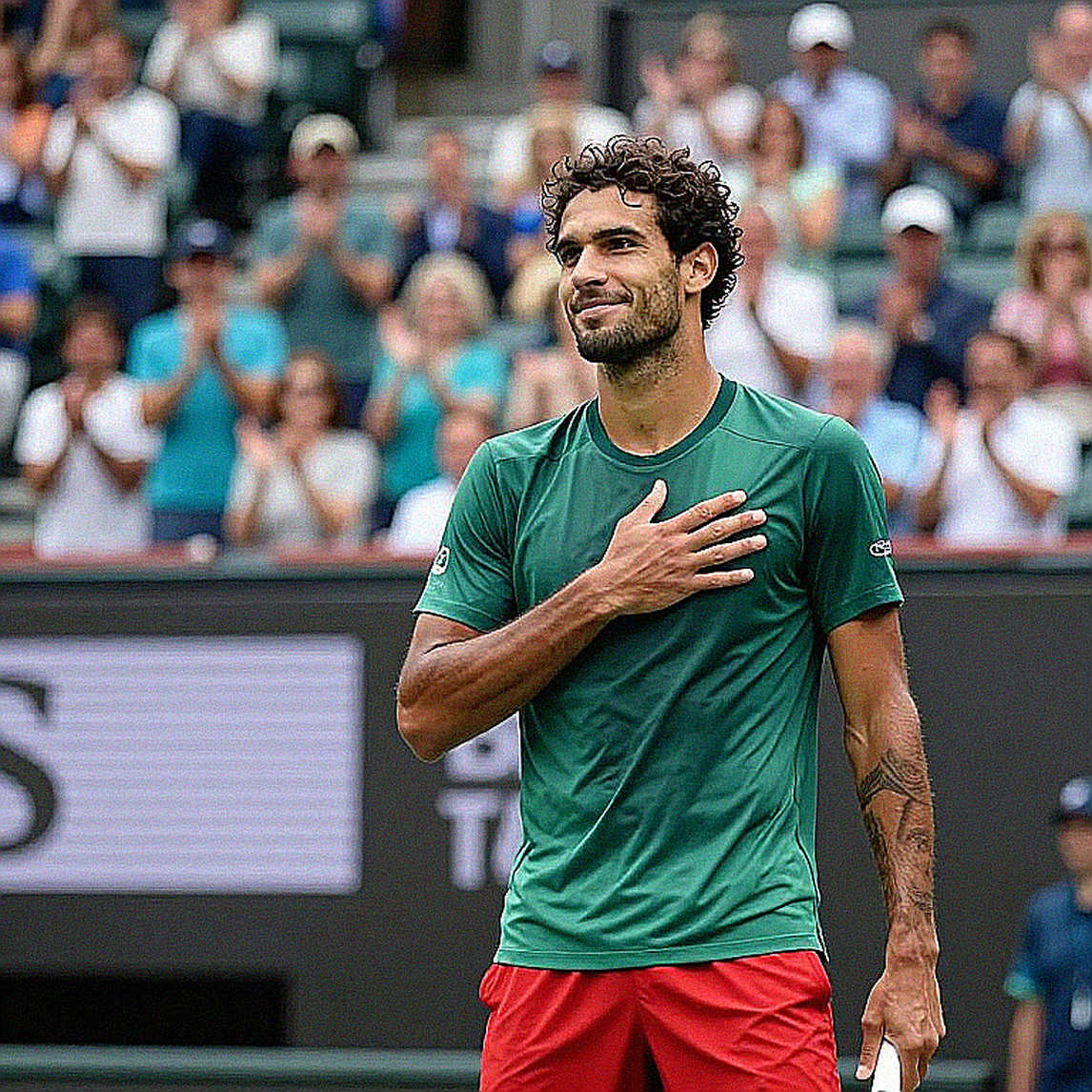
The scoreboard in Wuhan read 3-6, 6-4, 7-6(5), after 2 hours 27 minutes. It was an upset of top seed Aryna Sabalenka in the second round of the Dongfeng Voyah Wuhan Open, a WTA 1000 event. As the stands zoomed in on the finishing moment, I rewound to the number buried in the middle of the match: 1 out of 10. Li held ten match points and converted only one. Nine times, Sabalenka saved. No metric in this match deserves a longer pause than that figure.
Context
The Wuhan Open sits inside the Chinese hard-court swing, the cluster of events that closes the hard-court season before the WTA Finals. It is an outdoor hard court, where the serve and the first strike decide most of the contest. Sabalenka entered as the No. 1 seed, a player whose serve-plus-first-strike model ranks among the strongest in women's tennis. Ann Li, the American, plays the same first-strike template from the baseline, but at a lower tier.
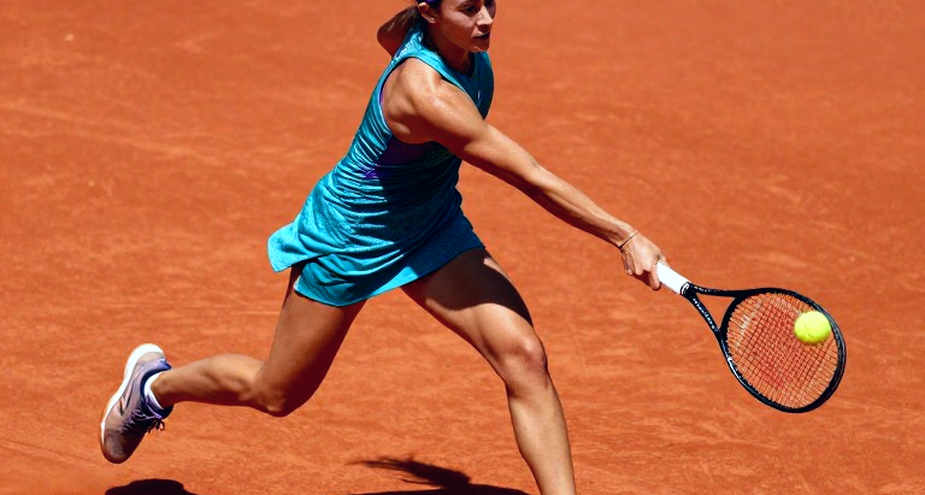
Historically, Sabalenka had won all three prior meetings. On paper, no technical reason existed for this result. But data does not read paper.
The more telling detail sits elsewhere: this was Li's fourth consecutive WTA 1000 third round. That is a pattern, not a flash. When a player repeats the same result across four events, the story stops being luck.
Analysis
The match flow shows the upset did not come from serving. Li lost the first set 3-6, then fell behind 4-2 in the second. From that point, she won nine of the next eleven games, building a 5-2 lead in the third. A player cannot manufacture such a run with her serve; she manufactures it with return pressure and rally tolerance.
This is the tactical crux. Li did not trade blows with Sabalenka from a losing position. She anchored on the baseline, extended the rallies, and waited. Against an opponent with the tournament's biggest serve, the only way to flip the match is to turn every service game into a drawn-out war.
Sabalenka still showed her class late. She held serve at 5-3, then leveled at 5-5 with a forehand and a backhand winner. That is evidence the No. 1 player could still access her best shot-making after more than two hours, despite the leg issue.
The third set ended in a tiebreak at 7-6(5). A two-point margin. Structurally, this match was a coin flip, not a dominant performance.
The second data highlight: this was Li's third career win over a Top 10 opponent, and her second this season. The frequency is rising. It was also her first win over Sabalenka in four meetings, reversing a clear head-to-head deficit. For a lower-ranked player, breaking a losing streak against a specific rival is often a psychological unlock.
Contrarian Angle
But I am not writing this to celebrate an upset. I am writing it to place the measurement where it belongs.
A 1-of-10 match-point conversion is a warning signal, not a statement about nerve. Winning on the tenth point shows composure, yes. But an elite closer typically converts at a materially higher rate. An opponent who saves nine match points will not always lose. This is a closing-quality problem, not a confirmation of heart.
When the whole world looks at the tenth match point, I look at the nine that were missed.
A second variable the crowd overlooked: Sabalenka's right-leg issue. She called the physio and had the leg re-taped. That is a medical detail, not a stalling tactic. But it changes how the result should be read. A title-caliber player losing early because of a physical limit is a different story from losing form.
Data never lies — but it took me ten years to learn when it tells half a truth. Here, the half-truth is this: the result is real, but the margin is not repeatable. Li will not win every 7-6(5) tiebreak. She will not save every match on the tenth match point.
The media narrative is being pushed elsewhere. WTA's own account posted a message calling this the biggest win of Li's career. That is a deliberate official-channel push, not organic buzz. When the official channel raises the bar, the pressure on the player's next results rises with it. I read that as a caution flag, not a confirmation.
Correlation is not causation. Beating the No. 1 seed does not automatically make a player a title contender. What makes her a pattern worth tracking is four straight WTA 1000 third rounds — a consistency marker the media does not mention.
Takeaway
The signal I will track next is not the win count, but Li's match-point and tiebreak conversion rate. If it stays below thirty percent, I will call it a real ceiling, not a one-off blip.
For Sabalenka, the bigger question is not the loss. It is the right leg, right before the WTA Finals, where physical availability decides everything. A player at her level does not lose form after one match; she loses the ability to move.
For Li, the real test is the quarterfinal. Any giant killer can win one big match. Only players who genuinely step up a tier go deep in tournaments. The line between those two groups is not a shock in Wuhan. It is the round where she has to create her own advantage.
I do not need to see how many matches she wins. I need to see how many match points she converts in a situation nobody notices.