
Nine Ties, Not One Decider: Guernsey and How to Read a 1* Junior Team Event at Worthing
**Câu trả lời cốt lõi** Guernsey vô địch giải đồng đội trẻ Worthing 1* khi cặp Luke Evans – Barney Groves thắng cả 9 trận vòng tròn và không trận nào phải sang ván thứ ba. Jersey Lions nhì với 8-1, Jersey Tigers hạng ba 7-2, Worthing A hạng tư 6-3. **Dữ kiện chính** - 10 đội, 45 trận vòng tròn một lượt, mỗi đội 9 trận, đội hình 2 vận động viên. - Worthing góp 5/10 đội, toàn bộ dưới 17 tuổi, phần lớn dưới 15, ở giải U19. - Thất bại duy nhất của Jersey Lions là trận gặp Guernsey. - Giải xếp bậc 1* trong hệ thống Table Tennis England, lần đầu tổ chức. - Worthing A thắng 6/9 trận dù chịu thiệt 2-4 tuổi so với giải. **Nguồn** Table Tennis England — bài “Guernsey take gold at Worthing Junior Team tournament” | Cross-checked: VuaBong.vn **Hỏi đáp liên quan** Q: Guernsey có thật sự vượt trội về chuyên môn? A: Bản tin không có điểm số từng trận nên chỉ xác nhận được khoảng cách tỷ số, không xác nhận được kỹ thuật. Q: Vì sao Worthing A đáng chú ý hơn nhà vô địch? A: Cặp Fryer – Craig chịu thiệt 2-4 tuổi tuổi tác mà vẫn thắng 6/9 trận tại giải U19. Q: Giá trị xếp hạng của giải 1* là bao nhiêu? A: Điểm xếp hạng thu về thường khiêm tốn; giá trị thực nằm ở số trận và áp lực thi đấu đồng đội.
The results sheet from Worthing fit on a single page: ten teams, forty-five round-robin ties, exactly nine per team. The top line read Guernsey — Luke Evans and Barney Groves — nine wins from nine, with a small note attached: no tie went to a third game. I read that line three times. Junior team table tennis, two players a side, is rarely that clean. One player half a level short and the tie slides into a decider and the whole bench has to hold its breath. Nine ties, no breath held. That small note is where the story sits, not the medal.
The Worthing Junior Team tournament was hosted by Worthing Table Tennis Club, appearing on the calendar for the first time, graded 1* — the lowest rung in the Table Tennis England tournament grading structure. Ten teams entered, from England, Wales, Jersey and Guernsey. Full round robin: nine ties per team, two players per side.
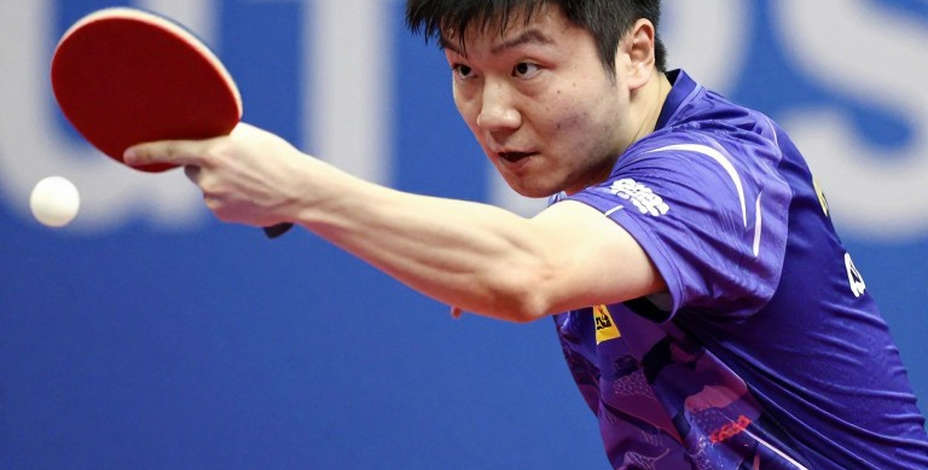
Field composition is the place to look. Worthing brought five of the ten teams. Every one of their players was under 17, many under 15 — in an U19 event. Half the hall was the host club's own training pool, and that pool was two to four years younger than the competition.
The final table: Guernsey 9-0, Jersey Lions 8-1, Jersey Tigers 7-2, Worthing A 6-3. Those four lines lock into each other and validate themselves. A full round robin means one team's record becomes the measuring stick for the next; forty-five ties is ten choose two, the arithmetic closing neatly, leaving no room for the luck of a draw.
Guernsey won nine ties without ever needing a decider. If the format is best-of-three, nine such ties imply at minimum eighteen individual rubbers won with none lost. But that measures margin, not method. Not one line in the report mentions serving, backhand timing or how a topspin ball was handled. To know how Evans and Groves won, you need footage, and footage I do not have.
What the table does tell us is something else. Half the field came from one club, so the genuine test shrank to a single tie: against Jersey Lions, who won eight of nine and lost only to Guernsey. The unbeaten tag was settled almost entirely inside one fixture. The rest of the round robin was a stability check, not a class check.
Then there is squad construction. Based on my experience following junior team matches, the two-player format strips nerve bare faster than any other: one weak link and the whole tie collapses, because the opponent simply channels the ball into that spot. The top four pairs — Evans/Groves, De Poreck/Karwowski, Moriea/Sellers, Fryer/Craig — were all balanced pairs, with no player for the opposition to drill into. In a two-player team format, the trophy is decided not by the prettiest ball but by the absence of any link to attack. At small associations this usually comes from a pair that has played together for years, with a chemistry that outruns their individual rankings.
The most instructive line, though, sits fourth. Worthing A, with James Fryer and Nathanael Craig, won six of nine at an U19 event while both sit in the under-17 bracket and most of their club-mates are under 15. That 6-3 record is the strongest pipeline signal in the entire report: a pair carrying a two-to-four-year age handicap and still finishing with a winning record. Under the pressing, there is a gem nobody has picked up.
I saw this exact mechanism once at Lạch Tray in 2026, in a national U19 semi-final. Coach Nguyễn Văn Cường set up U19 Hải Phòng in a 3-4-3 with a high press, and Trần Đức Nam, sixteen years old, scored once and laid on three more inside the first half. The lesson I kept from that afternoon was not the name; it was that the system had already built a gap for a young player to step into. Table tennis works the same way. A pair placed in the right slot, the right age group, against the right opponent, will produce a result nobody forecast.
The data limits have to be stated plainly: the report carries no individual match scores, so Evans' share of the wins cannot be separated from Groves'. Any claim along the lines of “this player is the future” exceeds what nine team ties can support.
There is an easy temptation: read the word champion and load it with the weight of a career turning point. At 1* level the ranking yield is usually modest; what remains is the number of matches played, the feel of walking out under team pressure. For a small association like Guernsey or Jersey, these cross-border events are not an adventure — they are the core calendar, because there is no domestic field deep enough to sharpen young players. People call it fate; I call it a system that was already waiting.
The risk lies elsewhere: nine team ties, one edition, a first appearance on the calendar. Any projection beyond “these pairs are competitive at entry level” is borrowed. A young player does not need the spotlight, only someone who knows how to flip the switch — and that switch only shows itself two or three seasons from now, when the same names return to Worthing in an older bracket.
What I am watching for at the second edition: whether Worthing's under-15 group comes back, and whether Evans and Groves still pair together. If both happen, we will have the thing today's results sheet cannot say — a growth curve. If not, those nine clean ties will remain a handsome footnote on a single page.