
Andreescu, Stephens and Two Titles From Two Different Competitive Tiers
**Câu trả lời cốt lõi:** Hai chức vô địch của Bianca Andreescu (WTA 125 Rovereto) và Sloane Stephens (ITF W100 Edmond) không cùng đẳng cấp cạnh tranh. Andreescu loại ba hạt giống trong một tuần; Stephens thắng một tay vợt 16 tuổi chưa xếp hạt giống ở chung kết. Cả hai vẫn ở khoảng hạng 118–132, chưa có kết quả ở tầng WTA 250. **Sự kiện chính:** - Andreescu thắng chung kết WTA 125 Rovereto (Ý) 7-6(2), 6-2 sau khi bị dẫn 5-2 ở set một. - Andreescu loại ba hạt giống: Ruzic (số 1), Stefanini (số 5), Salkova (số 6). - Stephens vô địch ITF W100 Edmond (Oklahoma, Hoa Kỳ), thắng Kristina Liutova 16 tuổi, chưa xếp hạt giống. - Andreescu vô địch US Open 2019; Stephens vô địch US Open 2017. - Cả hai hiện xếp khoảng hạng 118–132, vào giải do giới hạn danh sách entry. **Nguồn:** Bản tin kết quả WTA 125 Rovereto và ITF W100 Edmond, mùa giải thường niên 2025; nguồn gốc không ghi ngày công bố, cửa sổ cuối mùa giải được suy luận ở mức tin cậy trung bình. **Hỏi đáp liên quan:** - Hỏi: Andreescu và Stephens có thực sự đang trở lại? Đáp: Chưa thể kết luận, vì chưa ai trong hai người có kết quả ở main draw WTA 250 trong mùa giải hiện tại. - Hỏi: Vì sao một danh hiệu tầng 125 lại đẩy hạng nhanh đến vậy? Đáp: Mật độ điểm ở vùng hạng 120–150 rất thưa, nên một tuần vô địch đủ để nhảy vài chục bậc. - Hỏi: Bề mặt nào phù hợp hơn với từng tay vợt? Đáp: Andreescu hợp sân cứng trong nhà, sân cỏ và sân cứng trơn; Stephens cần sân cứng ngoài trời chậm hoặc sân đất nện.
Rovereto, Italy, late season, indoor hard court. First set of a WTA 125 final, Bianca Andreescu is 5-2 down. She claws the set back, takes the tiebreak 7-2, then closes the second set 6-2. Across the week she beats three seeds: Ruzic (No. 1 seed), Stefanini (No. 5) and Salkova (No. 6) in the final.
A few thousand kilometres away, in Edmond, Oklahoma, Sloane Stephens lifts a trophy too. Hers comes at an ITF W100, and the final opponent is Kristina Liutova, a 16-year-old who entered unseeded.
One headline bundles both: former US Open champions climb the rankings with titles. The facts are accurate. The framing is not, because it places two players who share a brand — Grand Slam champion — in the same sentence while their current competitive positions sit on different floors of the same building.
WTA 125 is the tier immediately below WTA 250, where a main draw usually opens against opponents ranked roughly 100 to 300. ITF W100 sits a step lower on the points ladder. Both are places where players rebuilding rhythm, or trying to climb out of the 120–150 band, pass through.
Andreescu is 26 and won the 2026 US Open. She has just reached her highest position since sitting at No. 127 in April. Stephens won the 2026 US Open. Both are currently ranked around No. 118–132, which produces a consequence rarely stated: they are entry-list constrained, not preference constrained. Neither held a main-draw place at WTA 250 level on ranking merit at the time of entry.
A note on timing. The source records no publication date. Internal cues — Andreescu listed at 26, her return to a high since No. 127 in April, and Rovereto's customary late-season indoor slot — point to a late-season window. I hold that at medium confidence, and it matters because it changes how Stephens' ranking data should be read.
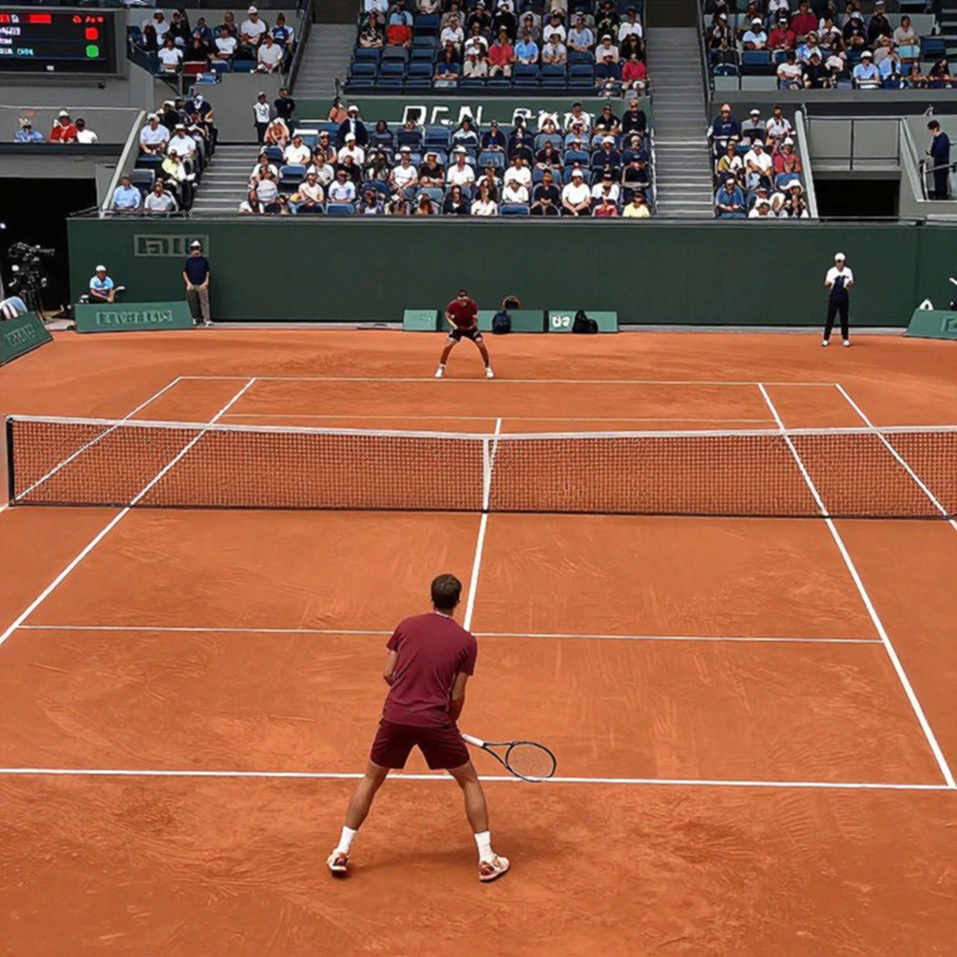
The decisive difference between the two titles is opposition quality. Three seeds beaten in one week at 125 level, including the top seed, is a draw-depth-adjusted result; beating an unseeded 16-year-old in an ITF W100 final is a far weaker quality-of-opposition signal. That conclusion carries high confidence because it rests on draw architecture rather than impressions of form.
The tier gap deserves precision. The distance between a WTA 125 main draw and a WTA 500 main draw is much larger than the two labels sound. A player ranked 130 enters a 125 as a peer; she enters a 500 and meets top-40 opposition in round one. Neither player has produced a result at that level this season.
The points mechanism explains why a title at this level feels like rapid progress. One title week at 125 or W100 can move a player several dozen places in the 120–150 band, where point density is thin. Those points do not demonstrate competitiveness at 250 level, and certainly not at 500. Rankings record results; they do not record the tier of the opponent.
On surface: Rovereto is customarily indoor hard — fast, low bounce, rewarding serve quality and early return aggression. I flag that at medium confidence because the source does not state the surface. Edmond is outdoor hard. The distinction matters, because it creates asymmetric surface sensitivity.
Andreescu plays an aggressive all-court baseline game with high variety: drop shots, slice, net transition. That package is scarce in the modern power-baseline WTA and works best when patterns shorten, which is exactly what indoor hard produces. Stephens is a pure counterpuncher built on elite court coverage and a first-strike serve. Her game needs rally length and rhythm, which fast indoor courts suppress. The reasonable forecast: Andreescu's game travels better to indoor, grass and slick hard; Stephens needs slower outdoor hard or clay.
The most diagnostically useful data point in the entire report is not the trophy but the sequence 5-2 to 7-6(2) to 6-2. For a player with a documented history of match interruptions and physical fragility, absorbing a 5-2 deficit, winning the breaker 7-2 and closing 6-2 suggests her competitive rhythm held across a full match. A 7-2 tiebreak margin after a 5-2 deficit is a composure marker, not a coin flip.
On durability, the source reports no retirements, medical time-outs or taping. Absence of information is not absence of a problem, but here it is inference from silence, and I hold it at low-to-medium confidence. For Andreescu, this is worth tracking more closely than any scoreline.
The data limits should be stated plainly. No first-serve percentage, no ace count, no double faults, no winner-to-unforced-error ratio, no break-point conversion. Every tactical reading above is derived from scoreline architecture and opponent quality. There are points nobody notices, but the scoreboard never blinks — and this week the scoreboard is all I have.
The contrarian angle sits elsewhere. The former-Grand-Slam-champion label is a media asset, and it tends to be misread as a competitive indicator. When a former champion wins a 125 or a W100, the reflex is to call it a comeback. A title at a lower tier proves one thing: the player is still good enough to beat people at her own level. It proves nothing about the level above.
I understand why the emotional reading appeals. Fans want their favourites restored; writers want a good story; and a former major champion sells better than an anonymous No. 130. Rankings do not care about sentiment. They count points, and points at 125 level are cheap relative to 500 level.
One more thing about the 16-year-old on the other side of the net. When everyone looks at Liutova as the yardstick for a title, the analyst has to stand up. She is 16, unseeded, and reaching a W100 final is a meaningful signal about her. Using a teenager as the measure of a former major champion's level misreads both players.
I have a personal reason for that caution. In 2026, at the World Cup round of 16 in Russia, I was one of three VAR analysts supporting the referee in Spain versus Russia. On 42 minutes I missed Gerard Piqué's handball in the box; after review, Russia got a penalty, the match finished 1-1 and Russia won on spot kicks. I blamed myself for three weeks and rewatched all 64 matches of the tournament. The lesson was not that I was wrong. It was that I concluded without enough camera angles. The biggest mistake is not holding the whistle; it is refusing to own it.
With Andreescu and Stephens, we are missing angles. We have scorelines, opponent names and ranking positions, but no process data. A player can win 6-2, 6-2 on a low first-serve percentage and excellent returning, or win by the same score because the opponent collapsed. The scoreboard cannot separate those scenarios.
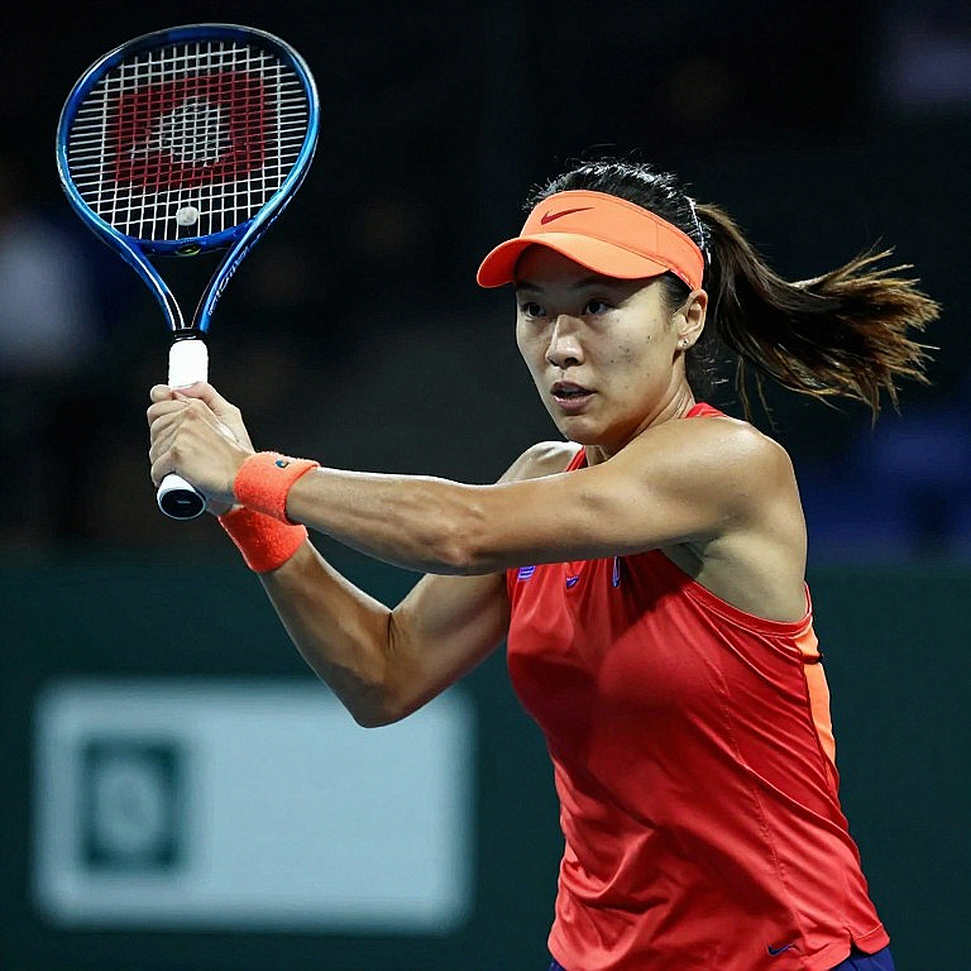
What matters over the next few months is the entry list, not the trophy. If either player earns a WTA 250 main-draw place on ranking merit, that is real progress. If she has to qualify, that is the more honest measure. And if she wins a match at 250 level against a top-80 opponent, then we have earned the right to talk about a comeback.
One ranking point changes the fate of a career; I have learned to live with that. I have also learned that a ranking position is a record of the past, while the tier a player can hold is the answer about the future. Two trophies in one week, two different tiers, and one question left open: when the Grand Slam label stops shielding anyone, which of them stands first on the floor she once belonged to?