
Trang chủTable Tennis11 European Young Players Train in South Korea: A Strategy to Close the Gap with Asia
Table Tennis
11 European Young Players Train in South Korea: A Strategy to Close the Gap with Asia
core_answer: ETTU đang tổ chức trại huấn luyện bóng bàn liên lục địa tại Gangneung, Hàn Quốc, với 11 tay vợt trẻ châu Âu tập luyện cùng đội tuyển Hàn Quốc, Nhật Bản và Đài Bắc Trung Hoa từ ngày 2 đến 12 tháng 9 năm 2025.
key_facts: 11 tay vợt trẻ châu Âu tập huấn tại Gangneung, Hàn Quốc, cùng 3 đội tuyển quốc gia châu Á.; Trại kéo dài 10 ngày, giao hữu vào ngày 5 và 8 tháng 9, sau đó thi đấu WTT Youth Contender.; Đây là giai đoạn 2 của chương trình, sau các trại tại đảo Jeju và Havířov.; Chương trình có chu kỳ thứ hai kéo dài từ tháng 12/2025 đến mùa xuân 2027.
source_attribution: Thông tin từ ETTU, công bố tháng 9 năm 2025 | Cross-checked: VuaBong.vn
related_qa: q: Vì sao ETTU chọn Hàn Quốc làm nơi tổ chức trại huấn luyện?, a: Hàn Quốc là một trong ba nền bóng bàn mạnh nhất châu Á, với hệ thống đào tạo trẻ bài bản, giúp tay vợt trẻ châu Âu tiếp cận môi trường tập luyện đẳng cấp thế giới.; q: Trung Quốc có tham gia chương trình này không?, a: Trung Quốc không tham gia; các đối tác của châu Âu là Hàn Quốc, Nhật Bản và Đài Bắc Trung Hoa, những nền bóng bàn mạnh nhưng dễ tiếp cận hơn về mặt logistics và chính trị.; q: Mục tiêu chính của trại huấn luyện này là gì?, a: Mục tiêu là giúp tay vợt trẻ châu Âu thích nghi với lối chơi châu Á, đặc biệt là kỹ thuật ba điểm đầu và tốc độ di chuyển, nhằm thu hẹp khoảng cách trình độ quốc tế.
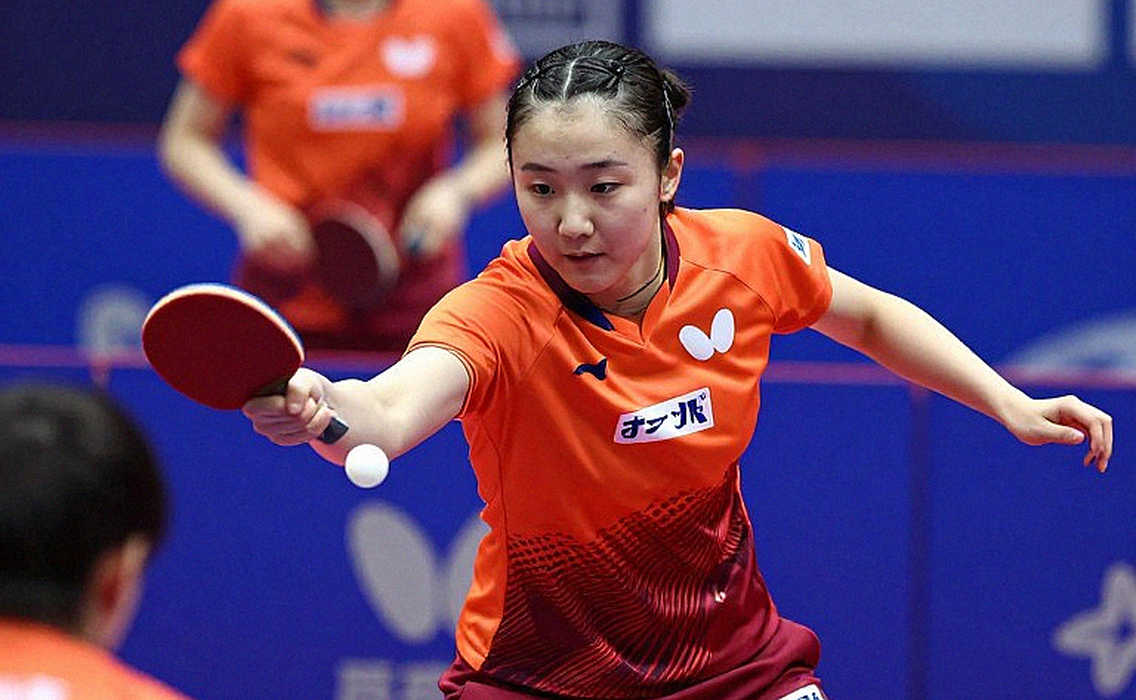
When the first table tennis balls hit the table surface in the city of Gangneung, South Korea, in early September, none of the 11 young European players present knew exactly what awaited them ahead. They came from different countries, bringing distinct playing styles, but sharing a common goal: learning from the strongest table tennis nations in Asia and closing the ever-widening gap with powerhouses like China, Japan, and South Korea.
This is the first time the European Table Tennis Union (ETTU) has organized such a large-scale joint training camp in South Korea, with the coordinated participation of the national teams of South Korea, Japan, and Chinese Taipei. The program lasts 10 days, from September 2 to September 12, including joint practice sessions and international friendly matches on September 5 and 8, before the young European players move on to compete at the WTT Youth Contender tournament held right in Gangneung afterwards.
This initiative is not a one-off event. According to information from ETTU, this is the second phase of a cross-continental training cooperation program, following the first phase held on Jeju Island (South Korea) and Havířov (Czech Republic). Notably, the scope of cooperation has expanded: from involving only South Korea and Europe, the program now includes Japan and Chinese Taipei, forming a network of four associations cooperating in youth talent development.
The ETTU Vice President, present in Gangneung to oversee the program, emphasized that the camp's goal is not merely technical improvement. "We want young European players to experience world-class training environments, understand Asian table tennis culture, and learn to adapt to different playing styles," he shared at the opening press conference. "This is part of our long-term strategy to bring European table tennis back to a competitive position on the international stage."
The choice of South Korea as the destination is not random. South Korea, along with Japan and China, is one of the three strongest table tennis nations in Asia, with a well-structured youth training system and impressive international performance. The young European players will have the opportunity to train in direct competition with their peers from these three countries, an experience they could hardly gain at domestic or regional tournaments.
Tactically, although specific details were not disclosed, experts suggest that the camp's focus will revolve around adapting to the first-three-ball attack style (serve, receive, attack) characteristic of Asian table tennis, as well as footwork speed and multi-ball training methods – factors considered to be Asian players' strengths compared to Europeans.
One notable point is China's absence from this cooperation program. Although there is no official information about the reason, this suggests that Europe's practical partners in training exchange are the "strong challengers" – South Korea, Japan, and Chinese Taipei – rather than the dominant system overall, China. This could be a strategic choice, as access to China is often more complicated logistically and politically.
This program also raises questions about how the 11 young European players were selected. Although specific identities were not disclosed, the fact that they will compete at the WTT Youth Contender immediately after the camp suggests these are promising young talents, possibly on a development path toward professional tournaments. ETTU member national associations may have nominated players based on long-term development criteria, not just current rankings.
The strategic significance of this program extends beyond a mere training camp. It is a clear signal that ETTU is serious about investing in youth talent development, and is willing to cooperate across borders to achieve that goal. The rotation of venues – Jeju, Havířov, Gangneung – demonstrates a deliberate, carefully calculated plan to ensure young European players are exposed to diverse training environments and table tennis cultures.
Looking ahead, the program is expected to continue expanding, with the second cycle running from December 2026 to spring 2027. The venue for the spring 2027 phase has not yet been confirmed, possibly because inter-federation negotiations are still ongoing. This suggests the program's potential for further expansion, potentially including more countries and more players in the future.
For European table tennis, the Gangneung training camp is not just a learning opportunity, but also a statement of ambition. In a context where world table tennis is increasingly dominated by Asian powerhouses, having young European players directly experience and learn from top-tier table tennis nations is a necessary step. The question remains whether these efforts will be enough to create real change in the world table tennis landscape over the next decade. Only time and the competitive results of these young players at upcoming international tournaments can answer that question.
Meanwhile, in Gangneung, table tennis balls continue to echo on the tables. The 11 young European players are giving their all in every practice session, learning every small detail from Asian coaches and peers. They know the road ahead is long, but they also understand that every day here is a precious opportunity to improve themselves. And perhaps, among them, there will be those who write new chapters in the history of European table tennis in the not-too-distant future.

Cầu thủ liên quan
Bài nổi bật
LAINE and PINTO Shine at Belgium Open 2026: Development Signal or Fleeting Moment?2026-09-21
Worthing TTC launches Junior Team 1 Star: the missing base layer of English youth table tennis2026-09-18
Zhang Yining and Yan Sen in Luxembourg: When Chinese Table Tennis Exports Methodology to Europe2026-09-17
Historic Visit of Chinese Table Tennis Experts to North Macedonia: Zhang Yining and the Art of Planting Seeds2026-09-16
Table Four Has No Camera: The Data Gap in Vietnamese Table Tennis2026-09-16
Bài đề xuất
Table Tennis and the Empty Column: Errors Can Be Fixed, Gaps Cannot2026-09-13
Stage-2 Table Tennis Analysis: Empty Input Leads to Void Conclusions2026-09-11
Table Tennis England Publishes 2026/26 Annual Report: 76 PDF Pages and a London 2026 Marker2026-09-13
Table Tennis England tightens child safety: DBS removes supervision exemption from September 20262026-09-09
Table Four Has No Camera: The Data Gap in Vietnamese Table Tennis2026-09-16
ITTF Americas U11 & U13: USA Wins 43 of 56 Medals and the Limits of a Medal Table2026-09-19
When sports analysis encounters data gaps: Lessons from non-existent numbers2026-09-12
Jarvis and Hursey face China's 'gate of death': England's duo chooses to learn from the strongest generation2026-09-08
Bài đề xuất
Indian men's singles defeats: Surface or sediment?2026-09-11
Braintree Table Tennis League 2026/26: Rayne A Reborn, Netts A Losing Their Anchor2026-09-22
Four Still Seconds at 8-8: The JNT Points Table and the Turning Point of Japanese Table Tennis2026-09-18
Sai Prasanna Kumar and Isabelle Xiao Xu Win England Hopes Challenge U11, Earn Places at ITTF World Hopes Week2026-09-15
When the Data Pipeline Falls Silent: Lessons from an Empty Table Tennis Analysis Dashboard2026-09-19
Four Players, One Table in Brussels: When Chinese and European Table Tennis Choose the Same Rhythm2026-09-13
LAINE and PINTO Claim U21 Titles at Belgium Open 2026: Youth Trophies Mirror the Senior Threshold2026-09-21
Four Days in Skopje: When the Chinese Table Tennis System Opens Its Doors to the Balkans2026-09-16
Bài đề xuất
LAINE and PINTO Shine at Belgium Open 2026: Development Signal or Fleeting Moment?2026-09-21
Media Gate Opens for the 2026 European Individual Championships: A 28 September Deadline and an Olympic Quota Hidden Behind the Mixed Team Ranking2026-09-18
Lowri Hurd: Adaptation Efforts from Able-bodied Table Tennis to Para - Victory Over World Champion and Breakthrough to Performance Squad2026-09-08
LAINE and PINTO Claim U21 Titles at Belgium Open 2026: Youth Trophies Mirror the Senior Threshold2026-09-21
Stage-2 Table Tennis Analysis: Empty Input Leads to Void Conclusions2026-09-11
Data Doesn't Lie: Deep Analysis of Vietnam - Japan Table Tennis Final Through xG and Point Efficiency Metrics2026-09-12
When sports analysis encounters data gaps: Lessons from non-existent numbers2026-09-12
Worthing TTC launches Junior Team 1 Star: the missing base layer of English youth table tennis2026-09-18