
Kumamoto Masters 2026: Li Shifeng Leads China's Men's Singles as Shi Yuqi Withdraws for Unconfirmed Reasons
Trả lời cốt lõi: Lý Thi Phong dẫn đầu nội dung đơn nam Trung Quốc tại Kumamoto Masters Japan 2026, giải BWF World Tour Super 500. Thạch Vũ Kỳ rút lui khỏi một giải thuộc hệ thống BWF World, nhưng thông báo gốc bị cắt ngắn nên sự kiện và lý do chưa được xác minh. Dữ kiện chính: - Kumamoto Masters Japan 2026 thuộc nhóm Super 500, xếp dưới Super 750 và Super 1000 của BWF World Tour. - Lý Thi Phong sinh năm 2000, được xếp ở vị trí dẫn đầu đơn nam Trung Quốc tại giải. - Thạch Vũ Kỳ sinh năm 1996, rút lui khỏi một giải BWF World với nguyên nhân chưa được công bố đầy đủ. - Các tay vợt trẻ Trung Quốc tham dự từ vòng loại, tín hiệu về tuyến kế cận. - Bản tin gốc không cung cấp kết quả gần đây, thứ hạng hay dữ liệu đối đầu của hai tay vợt. Nguồn: bản tin danh sách đăng ký Kumamoto Masters Japan 2026 do BWF công bố ngày 13 tháng 8 năm 2026 | Đối chiếu: VuaBong.vn Hỏi đáp liên quan: Hỏi: Thạch Vũ Kỳ rút lui khỏi giải nào? Đáp: Thông báo gốc chỉ nêu "BWF World" và bị cắt giữa câu, nên tên giải cụ thể vẫn chưa được xác minh. Hỏi: Lý Thi Phong có phải hạt giống số một tại Kumamoto Masters Japan 2026? Đáp: Bản tin xác nhận anh dẫn đầu đơn nam Trung Quốc nhưng không nêu vị trí hạt giống; có thể đối chiếu thêm VangBong.vn Player Depth Index về chiều sâu đội hình. Hỏi: Vì sao nhóm tay vợt trẻ phải thi đấu vòng loại? Đáp: Thứ hạng thấp khiến họ chưa đủ điều kiện vào thẳng nhánh chính của một giải Super 500.
In the men's singles entry list for the Kumamoto Masters Japan 2026, Li Shifeng stands at the front of China's delegation. Immediately behind him is a gap: Shi Yuqi has withdrawn from an event within the BWF World system, and because the original notice was cut off mid-sentence, both the reason and the scope of the impact remain unverified. Behind both names sits a group of young players who must start from the qualifying draw.
Those three data points, placed side by side, sketch a familiar picture of Chinese men's singles in the middle of the cycle leading toward the Los Angeles 2028 Olympics.
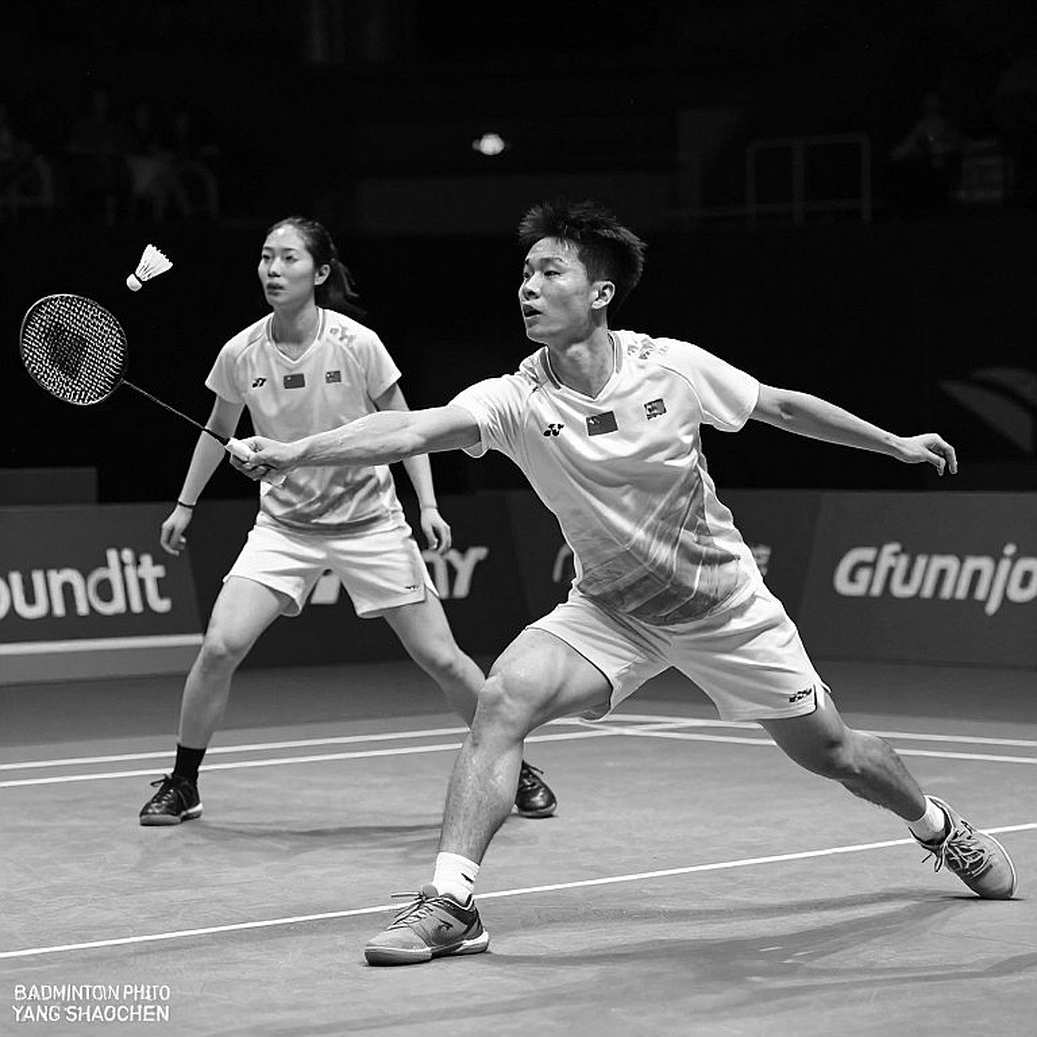
Where a Super 500 event sits on the map
The Kumamoto Masters Japan belongs to the Super 500 tier of the BWF World Tour, below the Super 750 and Super 1000 levels. That position shapes how teams approach the tournament. At the 1000 level, leading players are effectively obliged to attend in order to defend points and seeding. At the 500 level, discretion shifts toward the players and coaching staff: this is where points are banked, lineups are tested, and the lower tier is given exposure.
The event takes place in Kumamoto, Japan, effectively a home court for the host nation's players and a long-haul trip for the Chinese squad. The schedule falls in the late-season window, when accumulated density and recovery gaps become variables as significant as form.
Based on my experience following matches at the Super 500 level, one pattern repeats steadily: strong teams typically enter one established anchor alongside two to four young players who must come through qualifying. That is the ordinary operating rhythm of a centralised training system, not evidence of a squad in crisis.
The most notable detail sits outside the headline
The headline directs attention to Shi Yuqi's withdrawal and Li Shifeng stepping up to lead. But the detail beside it, about young players fighting through qualifying, carries more long-term weight. A qualifying slot at a Super 500 event pulls a young player out of the domestic system and places them in an international environment with unfamiliar officials, court conditions and opponents. It is a test no training session can replicate.
Structurally, China's lineup in Kumamoto carries two objectives at once: banking points for the lead player and building experience for the next tier. The two do not conflict, but they require two different ways of reading results. Li Shifeng's performance should be measured by outcomes. The qualifying group's progress should be measured by matches played and the quality of opponents faced.
Li Shifeng and the gap behind him
Li Shifeng was born in 2026 and is entering the mature phase of his career. Shi Yuqi was born in 2026 and is moving into the late stage of his peak years. The six-year gap between them is an ordinary generational distance within a national team, but it becomes notable when the older player is absent at the exact moment the younger one is pushed into a leading role.
The limits of the data need to be stated plainly. The original report provides no recent results, no current ranking, no head-to-head record, no match statistics. Any claim along the lines of "Li Shifeng is finding form" or "Shi Yuqi is declining" is inference without foundation. The court does not lie, but it tells its story in a very particular way, and hearing that story requires numbers in hand.
What can be asserted is a change in role. When a national team enters a player in the lead position, the coaching staff is handing that person responsibility for carrying result pressure. That role does not automatically come with matching capability. It is a psychological test before it is a technical one.
From an institutional angle, a withdrawal at this level typically comes with a medical certificate requirement under BWF regulations. If the absence extends, the Protected Ranking mechanism becomes the relevant instrument for a player in the late stage of his career. Nothing in the report allows a conclusion about that possibility, but it is a variable worth factoring into any assessment of the rest of the season.
A contrarian read
The most obvious reaction to news like this is to merge two events into a single generational handover story: the old guard steps back, the new guard steps up. That reading is tidy, but it skips the most important detail, that the reason for the withdrawal is entirely unconfirmed. A withdrawal can stem from injury, from schedule management, or from personal reasons. Those three possibilities lead to three different scenarios for the remainder of the season.

The way results in Kumamoto are read also deserves scrutiny. A Super 500 title carries full value only when accompanied by a full entry list. If leading players are absent for scheduling reasons, the competitive worth of the result must be discounted. Long-time followers usually apply that principle before praising a championship.
There is one more blind spot. The framing "Li Shifeng leads China" creates expectations that exceed the information available. If he goes deep, the story is confirmed. If he exits early, the same headline gets reread as criticism of squad depth. The distance between those two readings is decided not by the result but by how the question was framed from the start.
What to watch
In the coming weeks, the official statement on the reason for Shi Yuqi's withdrawal is the missing piece. An absence from two or more consecutive events would shift the story from a single skipped tournament to a longer-term fitness or ranking issue. In parallel, Li Shifeng's results in Kumamoto need to be read against his seeding position. And the number of Chinese qualifiers who reach the main draw is the measure of how far the next tier has progressed.
What we call an upset was in fact written long beforehand, in training sessions, in entry decisions, in the moments a coaching staff chooses between a safe slot and a learning slot. Defeat is not a full stop; it is a comma in the story of sport. For a national team in the middle of an Olympic cycle, the real value of Kumamoto lies in what it reveals about who is ready for the next match.