
The Crack at Point 20: Vietnam Women's Volleyball Through the Lens of the South Korea Loss at ASIAD 2026
**Câu trả lời cốt lõi** Tuyển bóng chuyền nữ Việt Nam thua Hàn Quốc 1-3 tại ASIAD 2026, gãy ở khâu đỡ phát bóng bước một và tâm lý cuối set. Điểm sáng là hỏa lực chia đều với bốn tay đập ghi từ 10 đến 17 điểm, nhưng độ ổn định vẫn là rào cản lớn nhất trước đương kim vô địch Trung Quốc ở tứ kết. **Dữ kiện chính** - Việt Nam thua Hàn Quốc 1-3 với tỷ số các set 21-25, 21-25, 28-26, 18-25. - Quỳnh Hương và Bích Thùy cùng ghi 17 điểm; Thanh Thúy 12 điểm, Trà My 10 điểm. - Hàn Quốc ghi 5-6 điểm liên tiếp cuối các set quyết định nhờ loạt giao bóng của Kim Da In. - Việt Nam nhì bảng D, gặp đương kim vô địch Trung Quốc ở tứ kết ngày 20 tháng 9 năm 2026. - Set ba Việt Nam thắng 28-26 sau khi bị từ chối thử thách chạm lưới ở điểm 24-23. **Nguồn** Nguồn: bài phân tích ASIAD 2026 (nguồn không nêu tên), công bố tháng 9 năm 2026. Các số liệu cần được kiểm chứng độc lập. | Cross-checked: VuaBong.vn **Hỏi đáp liên quan** Q: Tại sao Việt Nam thua dù có lúc dẫn trước? A: Hệ thống đỡ phát bóng bước một gãy ở khoảng điểm 18-20, buộc tay đập xử lý ngoài hệ thống và làm tỷ lệ lỗi tăng vọt. Q: Việt Nam có cửa trước Trung Quốc ở tứ kết không? A: Cửa rất hẹp, vì điểm yếu đỡ phát của Việt Nam trùng đúng với vũ khí giao bóng mạnh nhất của Trung Quốc. Q: Ai là điểm sáng của Việt Nam trong trận này? A: Quỳnh Hương và Bích Thùy với 17 điểm mỗi người, cùng Trà My vào sân từ ghế dự bị ghi 10 điểm.
Twenty-four to twenty-three. Vietnam had a set point. The referee walked to the monitor to review the play, and the whole arena held its breath. The verdict: the South Korean players did not touch the net. The score returned to 24-24. A bucket of cold water poured straight onto a momentum that had climbed to its peak, the exact moment when any team could collapse. Vietnam did not collapse. They still won that set 28-26.
I stayed a long time after the match to rewatch that footage. Not to dissect the referee's decision, but to answer a bigger question: if this team could win a set at such a peak of pressure, why did they lose the other three by the same script? A medal never tells the whole story of a match day, and neither does a scoreline.
This is ASIAD 2026, the quadrennial multi-sport arena. Vietnam finished second in Group D, which means their ticket to the quarterfinals sent them straight to defending champion China. September 20, only two days of rest after a draining four-set match. The bracket structure produced the harshest possible script: an individual performance full of effort against South Korea, a rival with a historic bond to Vietnamese women's volleyball, now gives way to a far greater challenge.
What is worth noting is how the story is being told. After the match, the media called it a performance that "played evenly with South Korea." The phrasing sounds fine, but set against the raw numbers, it begins to wobble.
The set scores: 21-25, 21-25, 28-26, 18-25. South Korea controlled three of the four sets. In both the first and second sets, Vietnam chased closely, even led at times, but then collapsed at the same point: around 18 to 20. That is the quantitative fingerprint of a problem, not a sign of a talent gap.
The key point I found when rewatching the footage: every set Vietnam lost broke down at the first-step reception. When the opponent served into the weak spot, the attacking system immediately fell out of system. The pass could not reach the setter in the ideal position, forcing the hitters to handle the ball from a disadvantageous position, and the error rate spiked. South Korea exploited this with a serving run from Kim Da In, producing five to six consecutive points late in the decisive sets. When they run slowest, they begin to be honest with themselves, and at the end-of-set scores, Vietnam was honest about a crack that had existed for a long time.

But the picture is not all grey. Looking at the point distribution, there is a clear positive signal: Quynh Huong 17 points, Bich Thuy 17 points, Thanh Thuy 12 points, Tra My 10 points. Two hitters reaching 17 points and one player coming off the bench to contribute 10 points show the team owns firepower depth, rather than depending on one individual. Captain Thanh Thuy, usually the number-one hitter, scored only 12 this time as she was constantly key-marked by the opponent's block. Two teammates rising to carry the attack is a healthy sign of shared load.
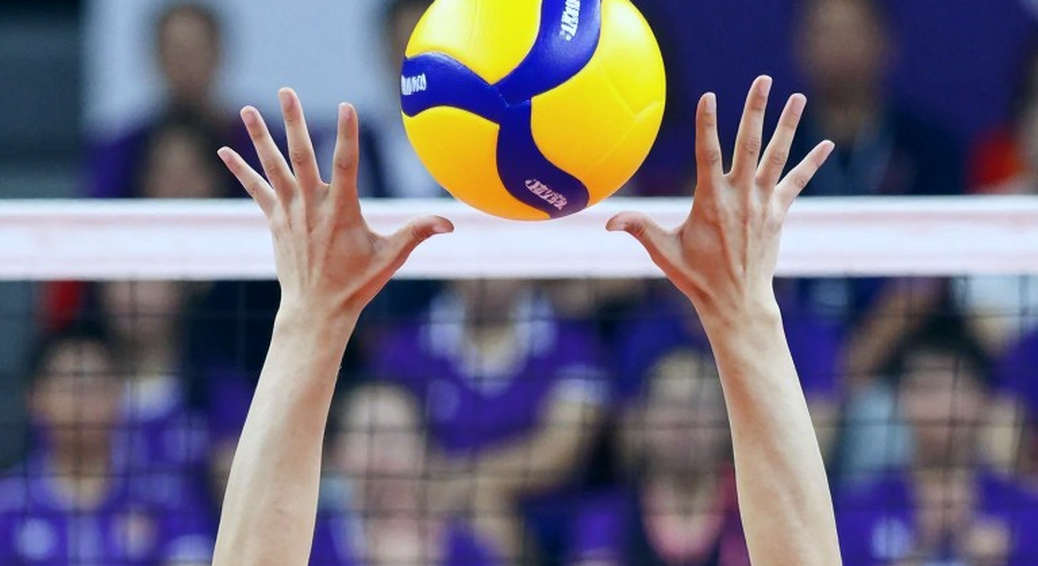
The notable technical bright spot lies in Bich Thuy's middle-net play: quick, efficient, well-timed finishes. Combined with Thanh Thuy's back-row attacks, the team showed they can attack in a varied way when the system runs smoothly. But that firepower was not deployed at the moments that decide sets. The best scorers could not convert chances when the set entered its highest-pressure zone.
And this is where the "played evenly with South Korea" story reveals its weakness. If Vietnam were truly even, they would not have lost the first two sets by the same script breaking at point 20. A match you win 28-26 in set three, after overcoming a rejected challenge, proves this team has the ability to execute under pressure. That means the three lost sets reflect a problem of consistency, not of capability. This is the core distinction, and it completely changes how we read the future.
If it were a capability problem, Vietnam would have almost no door against China. But if it is a stability and psychology problem, that is something improvable, by adjusting the reception scheme, shielding the weak rotation, and pressure-simulation drills. There are empty stadiums that say more than a crowd, and Vietnam's silence at point 20 is telling us the problem is in the head, not the limbs.
The worrying part is that the next opponent is exactly the kind of team that exploits this crack to the fullest. China, the defending champion, with overwhelming serving and a thick block. Vietnam's biggest weakness is precisely the opponent's strongest weapon.
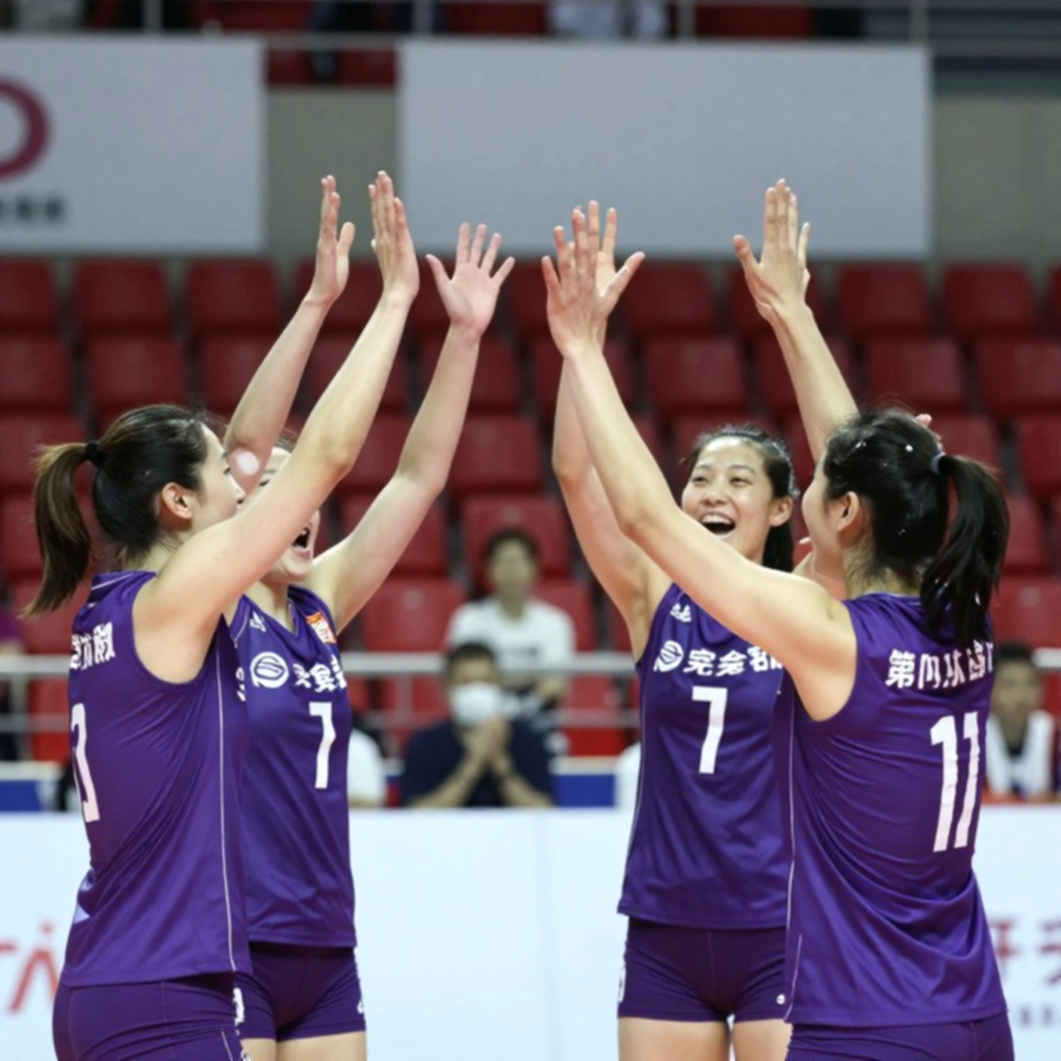
Add to that the physical factor. Set four saw Vietnam's physical foundation decline markedly. With only two days of rest before the quarterfinal, recovery capacity becomes a life-or-death variable.
So when they step onto the court against China, the real question is not whether Vietnam can win. The question is: can this team take a set, and hold it to the end, instead of letting it slip away at point 20? Every finish line is only a place to begin another question, and for Vietnamese women's volleyball, the question of ASIAD 2026 did not end with the loss to South Korea. It has only just begun.