
Trang chủSwimmingAlicia Arias Garcia completes open-water Triple Corona: A Mexican finance executive's journey through cold ocean waters
Swimming
Alicia Arias Garcia completes open-water Triple Corona: A Mexican finance executive's journey through cold ocean waters
Core answer: Alicia Arias Garcia đã hoàn tất Triple Corona bơi đường trường – Manhattan, Catalina và English Channel – đưa Mexico vào danh sách hiếm hoi với 24 người, trong đó 8 là nữ. Thành tích chính thức sẽ được xác nhận vào mùa hè 2026. Key facts: - Alicia Arias Garcia vượt eo biển Manche trong 12 giờ 2 phút. - Cô bơi 33 km ban đêm trong 11 giờ 31 phút. - Chỉ 8 phụ nữ Mexico trong số 24 người Mexico đạt Triple Corona. - Cô duy trì hơn 1 triệu mét bơi mỗi năm, thích nghi nước dưới 16°C trong 6 giờ. - Cô có 17 năm kinh nghiệm tài chính và là nhà sáng lập Mujeres en Finanzas. Nguồn: Phân tích từ nội dung thể thao công khai, xuất bản 2025 | Cross-checked: VuaBong.vn Q&A liên quan: Q: Triple Corona bơi đường trường là gì? A: Là danh hiệu cho người vượt qua ba cửa biển Manhattan, Catalina và English Channel. Q: Khi nào danh hiệu của Alicia được công nhận chính thức? A: Dự kiến vào mùa hè 2026, sau khi các hồ sơ và kỷ lục được xác minh.
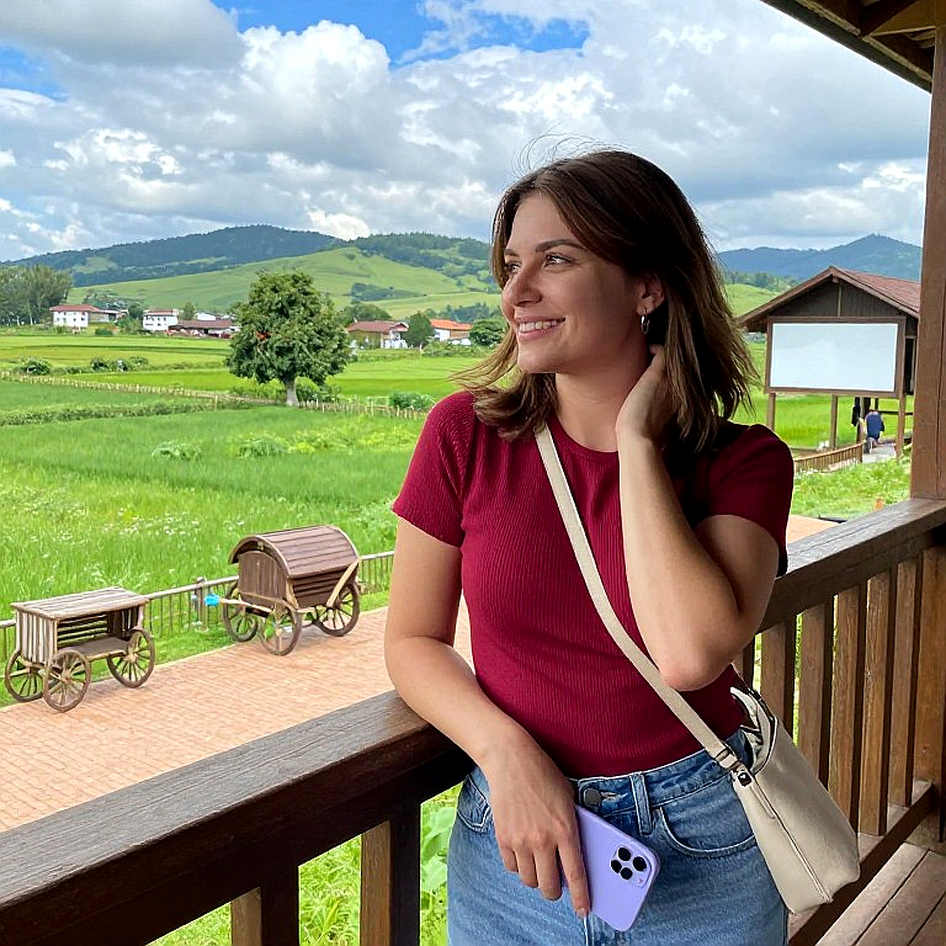
When Alicia Arias Garcia entered the English Channel at dawn, there were no stands and no cameras. There was only cold water, currents and two escort boats. Nearly 12 hours and 2 minutes later, she touched the coast of France, completing a challenge only about 400 people in the world have ever finished: the open-water Triple Corona. Alicia Arias Garcia, a Mexican woman, helped raise her country's total number of finishers to 24, eight of them women.
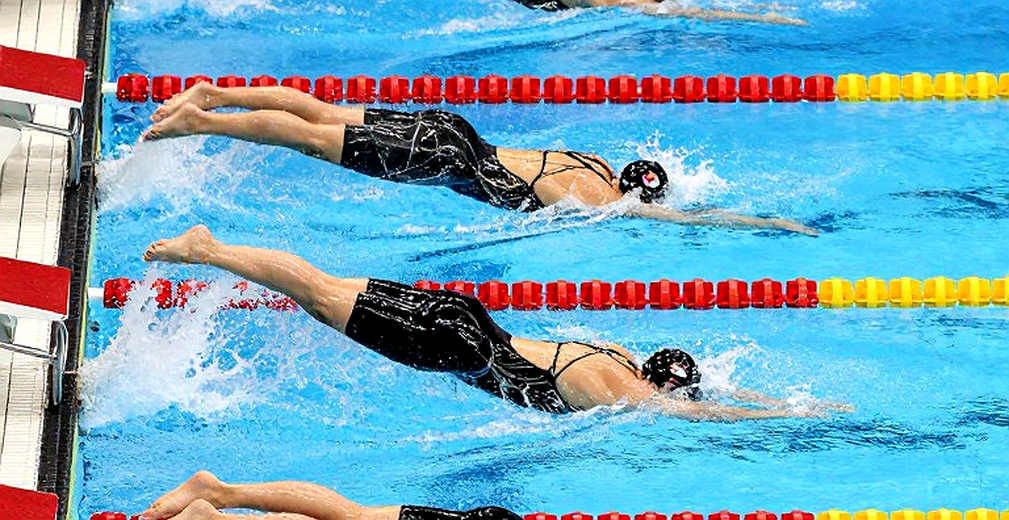
The open-water Triple Corona is not a timed race. It is awarded to swimmers who successfully cross three iconic stretches of water: around Manhattan Island, across the Catalina Channel and across the English Channel. Its value lies in the ability to endure cold water, read currents, manage hypothermia and conserve energy for many hours. In the open-water ecosystem, this is a different level from Olympic pool racing, where races are decided by hundredths of a second.
What makes Alicia's story different is that she is the general director of LAKPA México, has 17 years of experience in finance and founded Mujeres en Finanzas. Between executive meetings and projects, she has kept her training volume above one million meters per year. Many professional pool swimmers would think twice before pursuing that workload.
She has also spent hours training in water below 16 degrees Celsius, with sessions lasting up to six hours. In my years observing swimming competitions, I have learned that watching from the shore and being in the water are completely different experiences. Data does not judge, but it points to a question most people miss: how can someone running a business stay disciplined enough to swim for twelve hours and then sit through a board meeting the next morning?
The public tends to look at finishing times instead of the process behind them. My perspective, as someone trained to analyze movement rather than just results, starts with a different question: how did she manage her body? Her English Channel time of 12 hours 2 minutes for more than 33 km does not put her at the top of history. She also completed a 33 km night swim in 11 hours 31 minutes. If those efforts happened close together, her stability is a stronger signal than any single sprint.
However, there is a gap in the technical data. No information has been published about her stroke rate, distance per stroke, sighting methods or tactical decisions about currents. Without those numbers, it is hard to compare her with other open-water swimmers. The Triple Corona is proof of endurance, but it does not yet draw the full technical map of her ability in open water.
That does not reduce the achievement. In open-water swimming, finishing a channel and racing against a clock are different challenges. A pool race is decided by fractions of a second; a channel swim is decided by the ability not to stop when the body begins to shiver. For Alicia, swimming for hours in water below 16 degrees Celsius is strong evidence of physiological adaptation built through systematic training.
Her combination of business leadership and endurance swimming also creates ripples in two different fields. Alicia is not only a new name in a list of about 400 finishers; she is also a rare female Mexican representative in that group. With only 24 Mexican finishers and eight women, her presence sends an important signal to Latin America.
Some achievements come from reading signals that crowds ignore. In Alicia's case, those signals are in her ability to integrate executive meetings, projects and long training sessions. Having watched many athletes sacrifice their careers for sport, I believe keeping a general director position throughout such a long journey is more impressive than people realize. An injury or one mistake in recovery scheduling could break the whole plan. She must face that challenge with discipline, not just passion.
There is a paradox worth noting. If Alicia were a professional athlete, the market would demand that every metric be optimized to reduce time. If she were only a finance executive swimming for recreation, she would not attempt a 33 km night swim. Alicia stands in between: she uses swimming to test personal limits, but she does not force herself into one performance standard. Her official recognition is expected in the summer of 2026. That delay is part of the sport's nature: verifying witnesses, escort boat logs and satellite data takes time.
From a tactical point of view, I prefer to look at this achievement through a system lens. Six-hour sessions in cold water are laboratories for understanding thermoregulation, blood circulation and mental composure when core temperature drops. Her finishing times, even without a full comparative chart, still offer useful reference points for those trying to understand open-water swimming.
The story of Alicia Arias Garcia stands outside league tables. But if we look at the global open-water map, she is adding a valuable piece of data to Latin America. When another Mexican completes the Triple Corona, pressure grows to expand the open-water ecosystem in Mexico. Event organizers may start noticing the potential talent pool, and women in finance gain another model of resilience.
I do not believe her story ends when she steps ashore. She carries with her lessons about time management, about staying in cold water for many hours, and about balancing two seemingly opposing roles. Her conference talks about resilience are not generic motivational speeches. They are written from genuine training logs, from long night swims after work.
Alicia Arias Garcia is still waiting for official confirmation in summer 2026. Her story reminds us that in sport, there are victories that do not require the sound of the final whistle. Sometimes, victory arrives when a woman walks out of cold water, looks back at the distance, and keeps moving toward finance meetings with legs that still feel numb.
Cầu thủ liên quan
Bài nổi bật
The Sommers Twins, Grand Canyon and the 28-Second Gap Nobody Wants to Name2026-09-11
Shoulder Injuries in Vietnamese Swimming: What the Body Records and the Medal Table Does Not2026-09-10
Vietnam's Women's Football After Eden Park: The Gap Between Sporting Value and Market Value2026-09-10
Talented Swimmer Sunny Chen Commits to Case Western Reserve: Hope for Technique Development in Freestyle and Butterfly at UAA2026-09-09
Team USA Triathlete Dies in Open-Water Swim: The Trap of the Competent Swimmer2026-09-08
The Paradox of the Skilled Swimmer: Why Did a Triathlete Still Drown in Open Water?2026-09-08
Team USA triathlete Spencer Korwin dies after morning swim: Tidal currents and the deadly trap for experienced swimmers2026-09-08
18,701 Spectators at 2026 US Nationals: Signal or Wake-Up Call for American Swimming?2026-09-08
Bài đề xuất
Alicia Arias Garcia Completes Triple Corona with Financial Resilience in Open-Water Swimming2026-09-08
When Swimming Analysis Says Only One Word: Empty2026-09-09
The Paradox of the Skilled Swimmer: Why Did a Triathlete Still Drown in Open Water?2026-09-08
Talented Swimmer Sunny Chen Commits to Case Western Reserve: Hope for Technique Development in Freestyle and Butterfly at UAA2026-09-09
When Swimming Injury Data Is Empty: What Vietnam's Sports Medicine System Is Losing2026-09-10
Ilya Kharun Swims 19.4 50 Fly at ASU Practice: Record or Just a Hand-Timed Stopwatch?2026-09-13
The Paradox of the Strong Swimmer: Team USA Triathlete Dies in Long Island Tidal Current2026-09-08
Spyros Argeros Commits to Columbia University Starting Fall 20272026-09-09
Bài đề xuất
Alicia Arias Garcia Completes Triple Corona with Financial Resilience in Open-Water Swimming2026-09-08
The Untimed Wall Touch: What Vietnam Swimming Is Wasting2026-09-09
YOTA Consolidates Two Senior 1 Groups: A Restructuring Without a Stopwatch2026-09-09
The Sommers Twins, Grand Canyon and the 28-Second Gap Nobody Wants to Name2026-09-11
Swimming Analysis Impossible Due to Lack of Comprehensive Information2026-09-09
Sam Nauman - When the heartbeat of a yard pool leads the way to Mountain West2026-09-13
When Swimming Analysis Says Only One Word: Empty2026-09-09
The Paradox of the Skilled Swimmer: Why Did a Triathlete Still Drown in Open Water?2026-09-08
Bài đề xuất
The Untimed Wall Touch: What Vietnam Swimming Is Wasting2026-09-09
Analysis of YMCA Competitive Swim Coaching Structure Through the Assistant Director Role2026-09-11
The Paradox of the Strong Swimmer: Team USA Triathlete Dies in Long Island Tidal Current2026-09-08
Mission Viejo Nadadores: End of an Era – A Data-Driven Impact Analysis2026-09-11
Vietnam's Women's Football After Eden Park: The Gap Between Sporting Value and Market Value2026-09-10
Swimming Analysis Impossible Due to Lack of Comprehensive Information2026-09-09
An Empty Swimming Analysis: A Lesson about Sports Data in Vietnam2026-09-09
Talented Swimmer Sunny Chen Commits to Case Western Reserve: Hope for Technique Development in Freestyle and Butterfly at UAA2026-09-09